- Island-wide delivery
- Supporting communities across Sri Lanka

Menu
OUR ISLAND-WIDE NETWORK
Rooted in Communities. Connected Across Sri Lanka.
Our centres bring Sandhara’s work closer to the communities we serve – creating spaces for connection, support, learning, creativity and collective action.
MORE THAN A LOCATION
Places Where Community Comes Together
Explore our centres and discover the work, people and opportunities connected to each location.
North Central PROVINCE
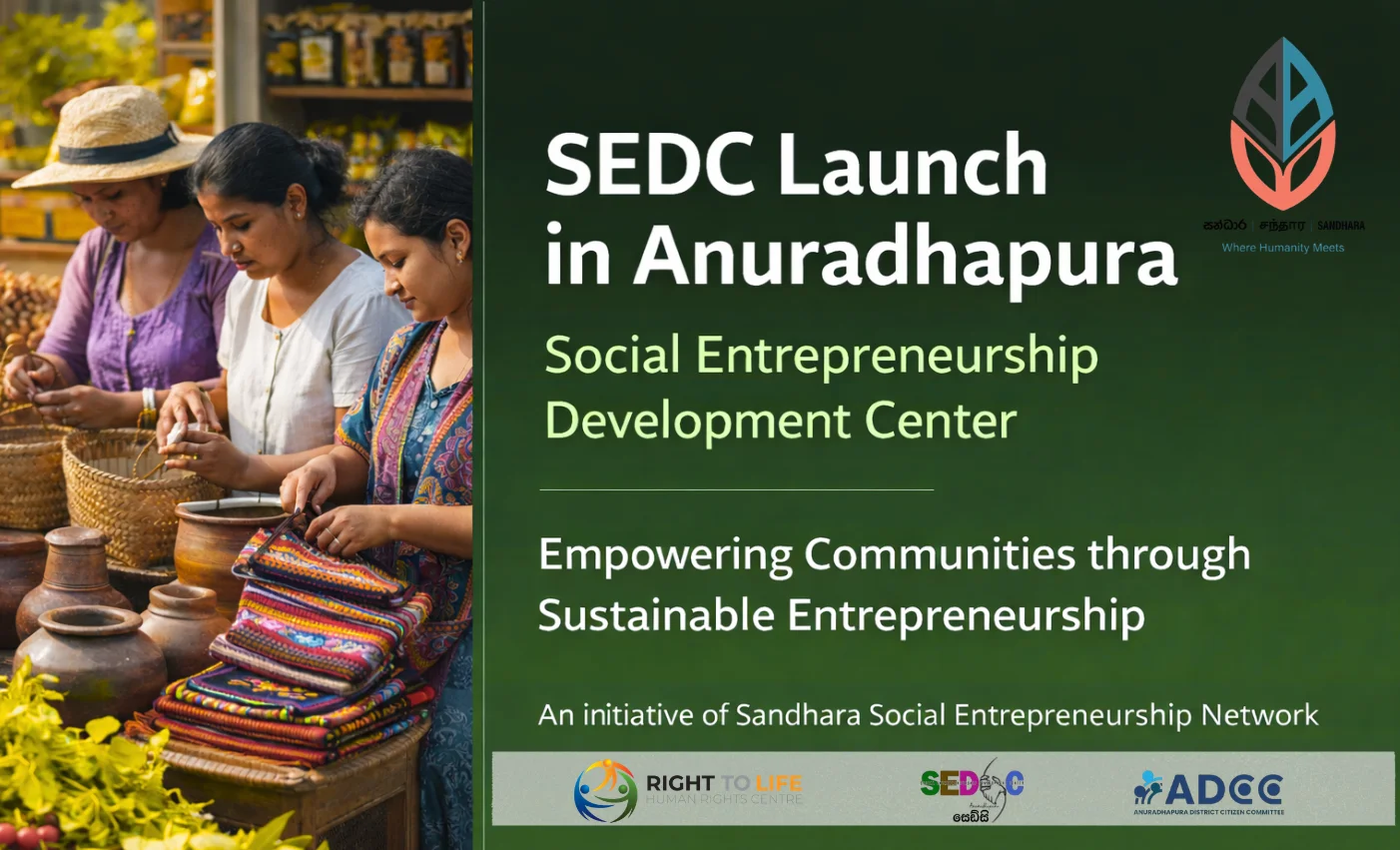
Sandhara Anurdhapura Centre
The Social Entrepreneurship Development Center (SEDC) in Anuradhapura is a people-centered initiative that strengthens community empowerment sustainably. Although the region is known for its cultural heritage, many rural residents face poverty, social exclusion, and limited opportunities. SEDC offers an inclusive platform where people can rebuild with dignity, confidence, and purpose.
Rather than focusing solely on profit, it recognizes existing skills and turns them into sustainable livelihoods. A growing network of small-scale entrepreneurs, especially women and vulnerable individuals, receives mentorship, practical support, and wider market access. The initiative also promotes environmental sustainability by preserving traditional seed varieties, encouraging organic farming, and using local resources, building a resilient local economy.
- 076 818 2357
- Anurdhapura, Sri Lanka
Central Province
Sandhara Kotagala Centre
The Sandhara Kotagala outlet in Kotagala Town is a social enterprise born from the long-standing partnership between the Suya Sakthi Foundation and the Right to Life Human Rights Centre. Going beyond aid, it promotes dignity, sustainability, and self-reliance. Income from the outlet is reinvested in community-based human rights programmes, making communities active participants in social change.
Sandhara supports small-scale farmers, women entrepreneurs, and local producers in the Nuwara Eliya District through fair, transparent market access, strengthening the local economy. It also promotes nutritious local food to improve food security, reduce reliance on imports, and build resilient rural and plantation communities, showing that lasting change happens when communities lead their own development.
- 076 136 6920
- Kotagala, Sri Lanka
Uva Province
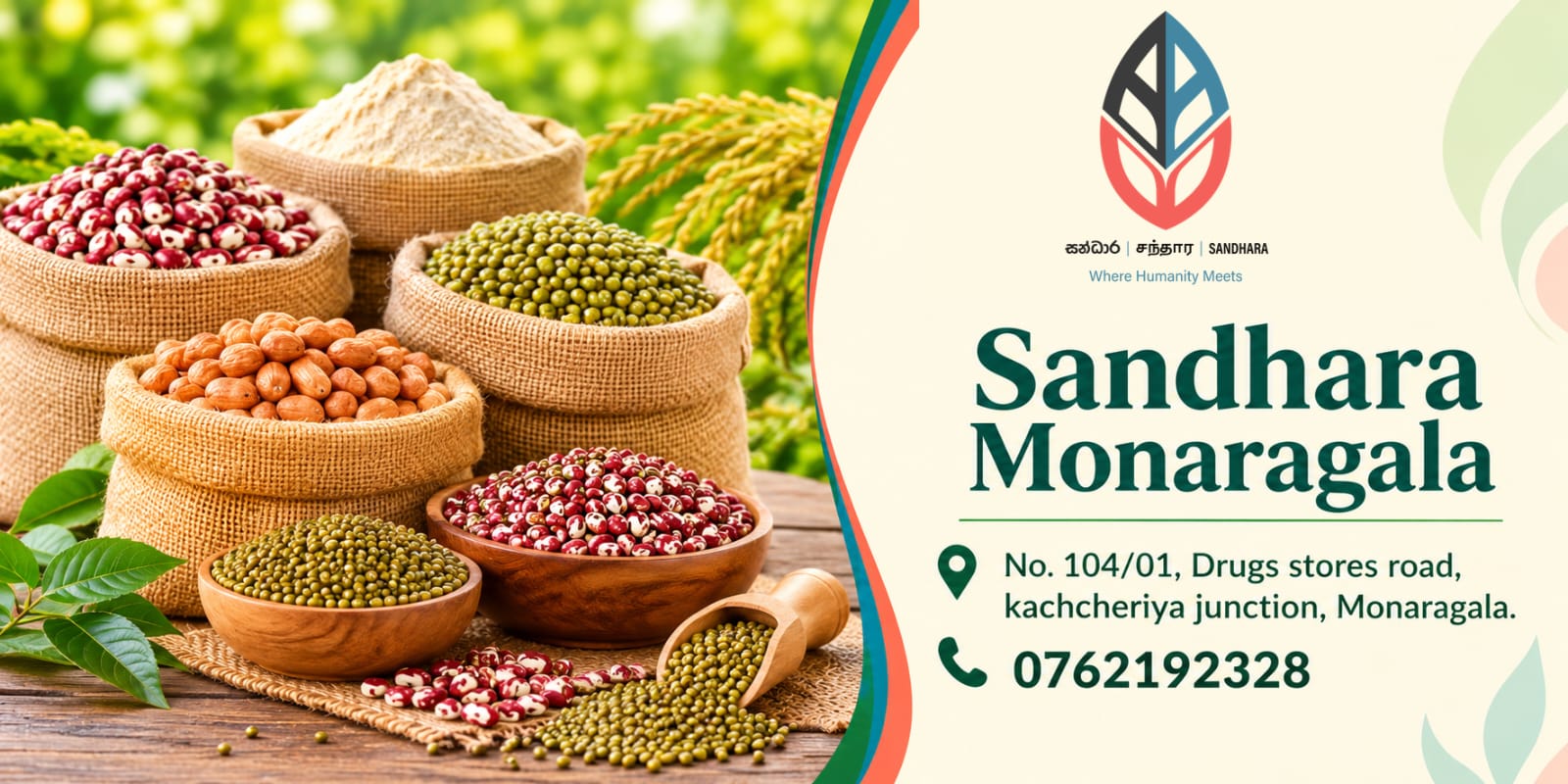
Sandhara Monaragala Centre
Sandhara Outlet in Monaragala is a community-led social enterprise run by the Human Rights and Social Entrepreneurship Development Centre (HRSEDC) – Monaragala in partnership with the Community Resource Protection Centre (CRPC). It aims to build sustainable incomes and resilience for low-income families, small producers, and aspiring entrepreneurs facing limited market access and financial instability.
Participants receive guidance on product development, quality improvement, and reaching wider markets, focusing on traditional goods such as kithul, kavum, spices, coconut and palmyrah products, and herbal items. Products are sold through the CRPC trade platform, local centres, exhibitions, and weekly markets. Notably, 75% of profits go to entrepreneurs, while 25% supports human rights protection and assistance for those in need.
- 077 539 9353
- Monaragala, Sri Lanka
North Western Province
Sandhara Anamaduwa Centre
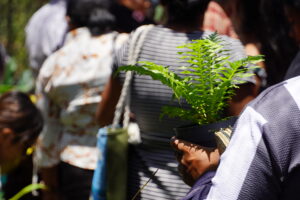
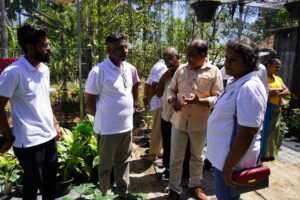
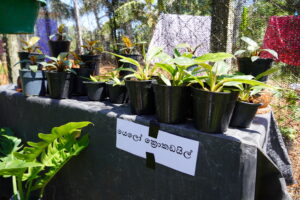
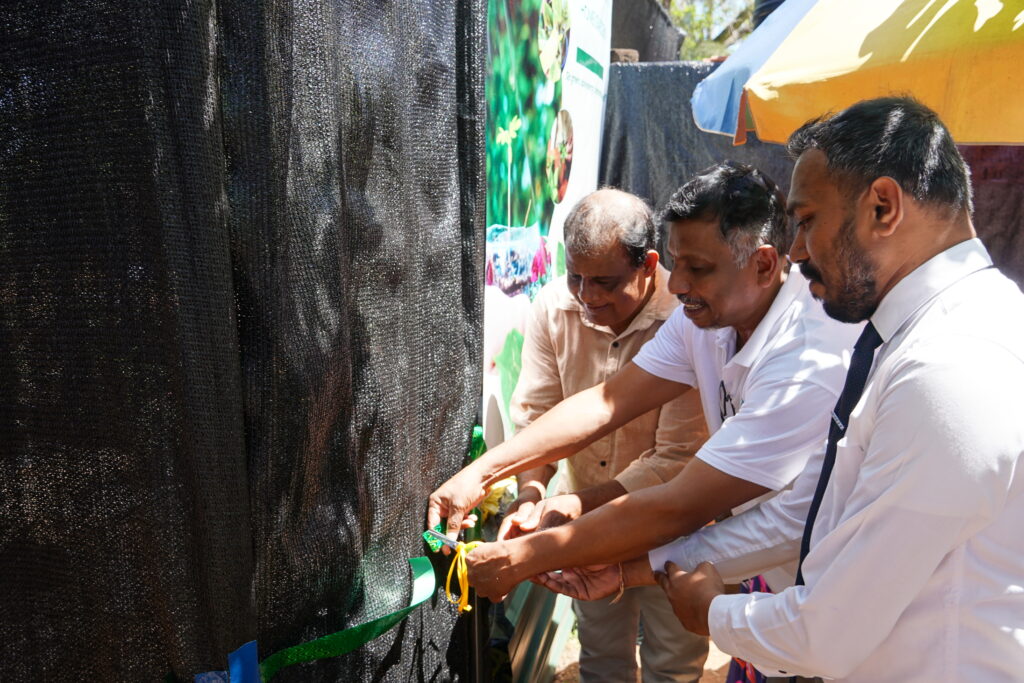
The “Liya Diriya” Home Gardening Social Entrepreneurship Programme was officially launched in Anamaduwa by the Right to Life Human Rights Centre as part of its “Sandhara” Social Entrepreneurship Network, in collaboration with the Anamaduwa Participatory Development Foundation and the Human Rights First Aid Centre. Introduced by Chathurika Darshani, it aims to empower women through sustainable home gardening, helping them earn a stable additional monthly income of at least LKR 25,000 and strengthening their role in family decision-making.
The programme also promotes mental well-being through engagement with nature and encourages youth aged 15 to 35 to join agriculture and entrepreneurship. Its “Mother–Daughter Plan” fosters intergenerational collaboration for long-term sustainability. Many local women have already joined the network, reflecting strong community interest.
- 076 818 2359
- Anamaduwa, Sri Lanka
Sabaragamuwa Province
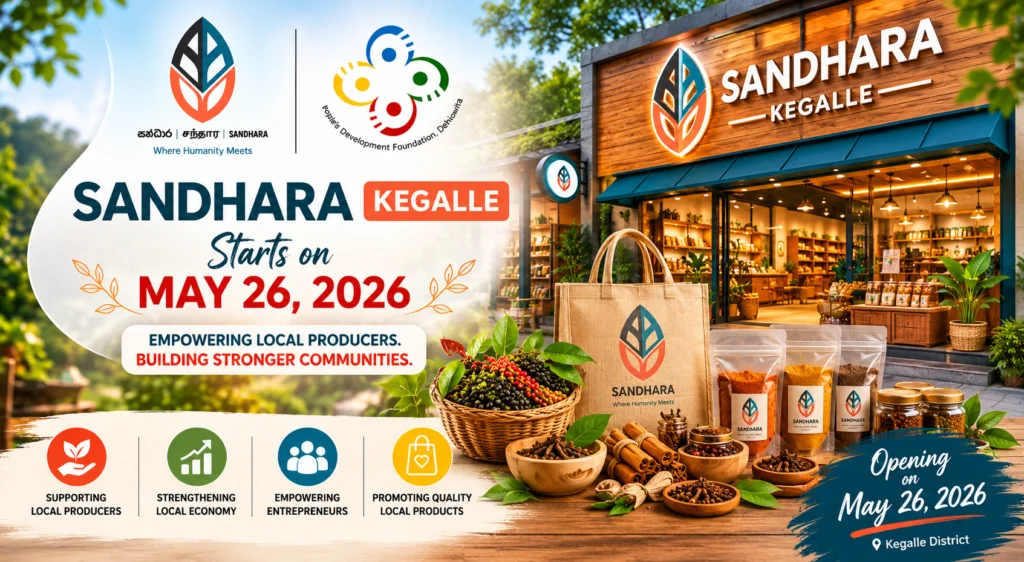
Sandhara Kegalla Centre
Sandhara Kegalle is a community-centered social entrepreneurship initiative that creates sustainable economic opportunities for local producers and rural entrepreneurs. Kegalle District is known for its agricultural heritage and high-quality spices such as pepper, cinnamon, cloves, and nutmeg, yet many small-scale farmers struggle to access reliable markets, expand their businesses, and secure fair returns.
Sandhara Kegalle addresses these gaps by promoting local products to wider consumers, encouraging fair trade, and connecting regional entrepreneurs with national markets and a stronger entrepreneurial network. It particularly supports women entrepreneurs, youth-led businesses, and small rural producers by improving their visibility and market access. By encouraging consumers to buy local, it strengthens domestic industries and builds resilient communities, symbolizing opportunity and inclusive, sustainable development.
- 074 115 9304
- Kegalla, Sri Lanka
Eastern Province
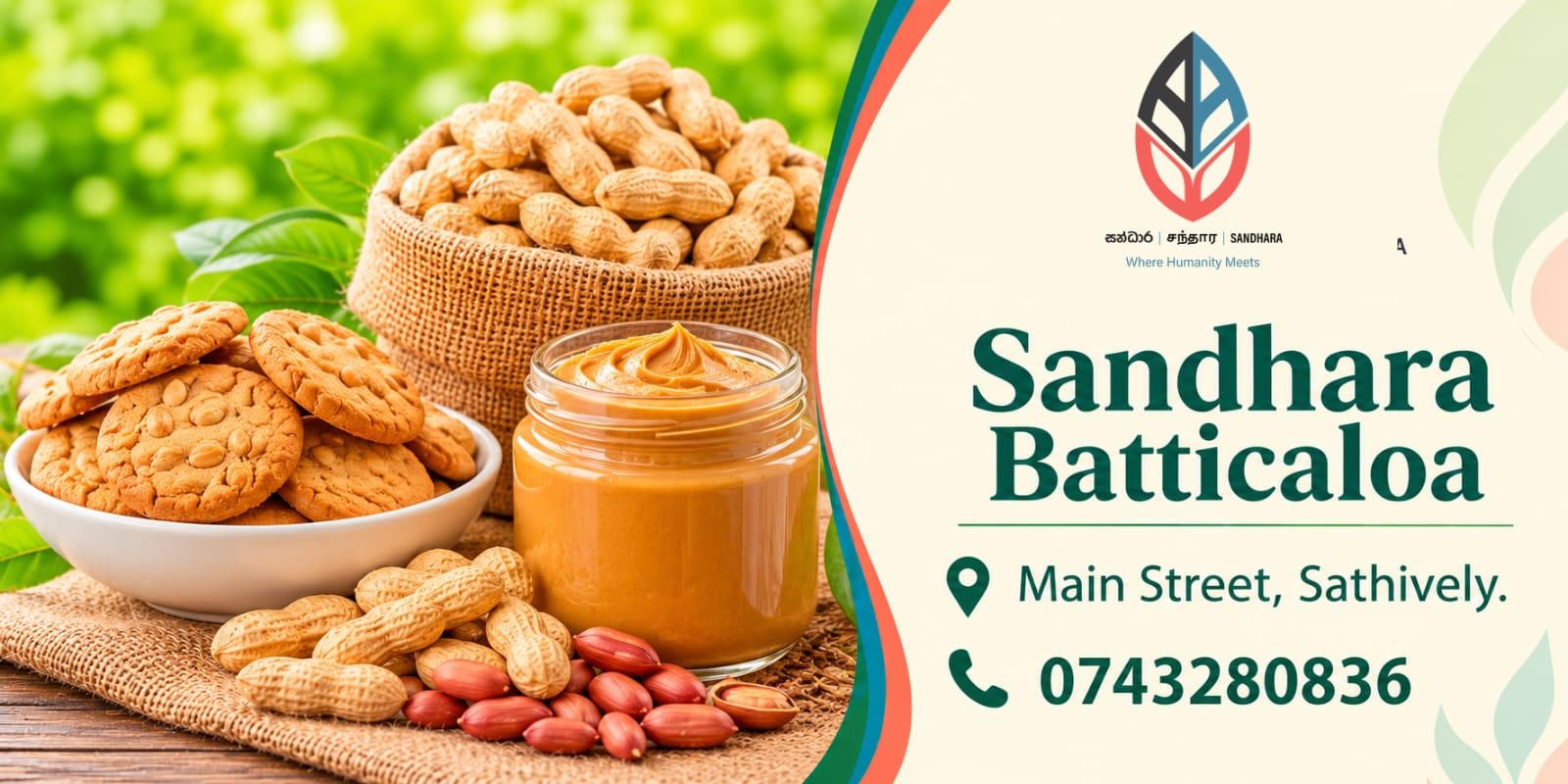
Sandhara Batticaloa Centre
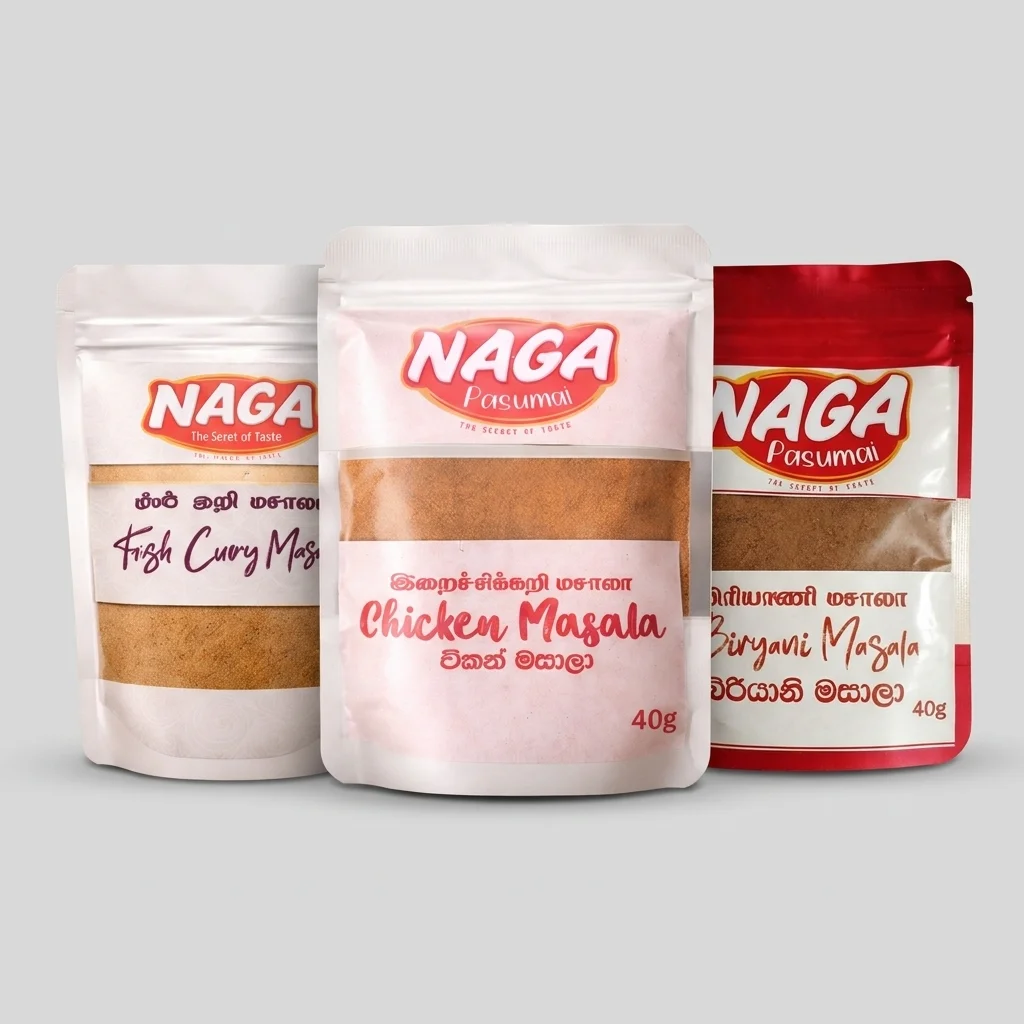
The project focuses on converting grains sourced from local farmers into value-added food. Products that are cleanly processed, quality-assured, and packaged for the market. In addition, it involves the production of natural spice blends that enhance the aroma and taste of food.
products. This initiative operates on a community-based model and aims to create. Employment opportunities for women and youth.
- 074 328 0836
- Batticaloa, Sri Lanka

Southern Province
Sandhara Deniyaya Centre
Sandhara Deniyaya
- 077 788 3730
- Deniyaya, Sri Lanka
Western Province
Sandhara Ja-Ela Centre
Sandhara Ja-Ela
- 077 788 3741
- Ja-Ela, Sri Lanka
Western Province
Sandhara Matugama Centre
Sandhara Matugama
- 077 277 2372
- Matugama, Sri Lanka